


Dr Lawrence Klein
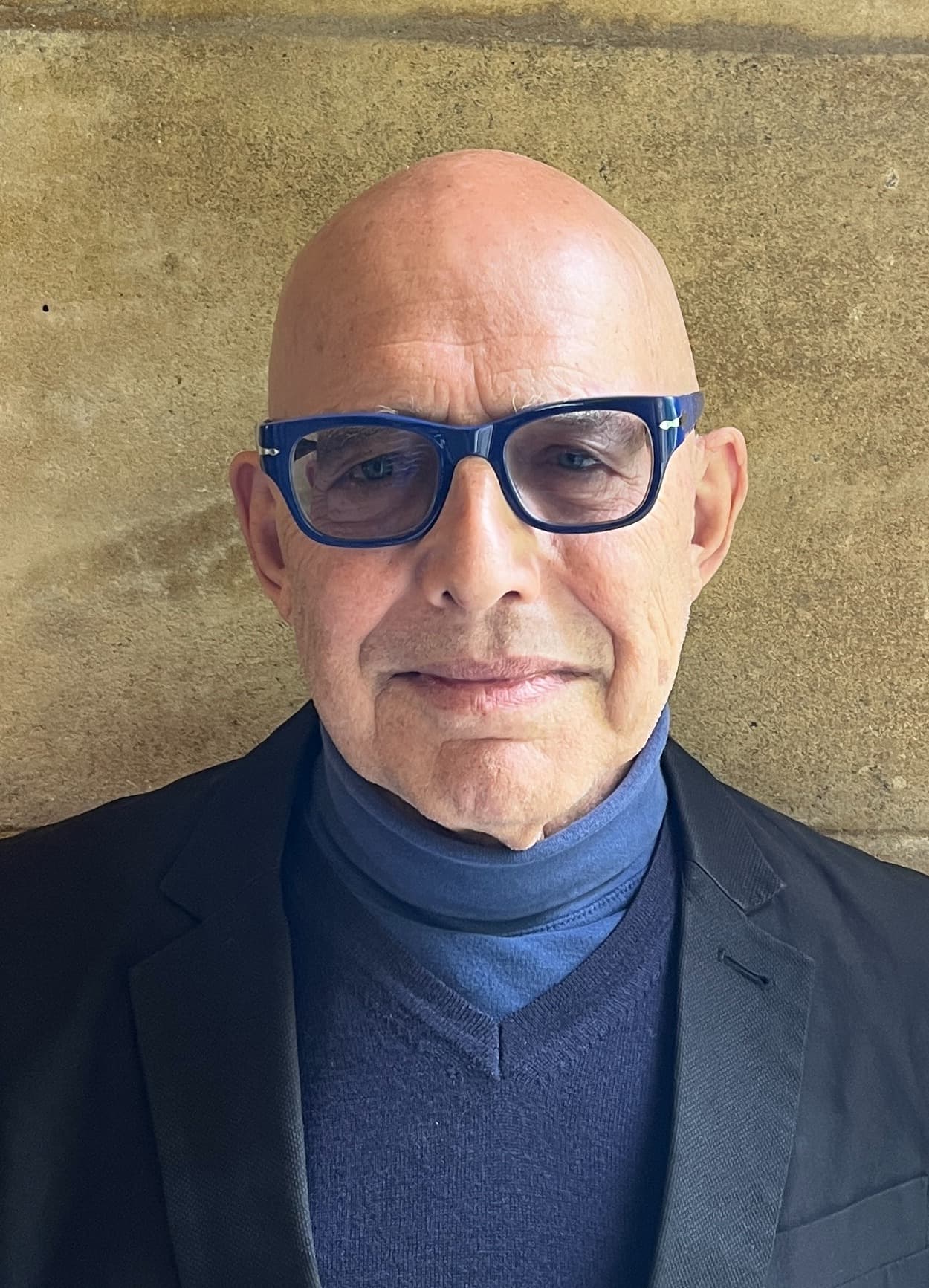
BA (Rochester), MA (Johns Hopkins), PhD (Johns Hopkins)
Lawrence (Larry) is one of our Directors of Studies in History and an Emeritus Fellow (retired from the University), having previously been an Official Fellow from 2000. He is also the General Editor of our College Magazine, and is the Fellows’ Steward.
Biography
A New Yorker by birth and affinity, Larry studied as an undergraduate at the University of Rochester in Rochester, New York, and as a graduate student at the Johns Hopkins University in Baltimore, Maryland. He has taught at Stanford University and the University of Nevada in Las Vegas. He joined the Cambridge History Faculty and was elected a Fellow of Emmanuel College in 2000. Before retiring from his University position in 2017, he served as chair of the History Faculty. He remains an Emeritus Fellow at Emmanuel and continues teaching and research.
Teaching
Dr Klein is a specialist in the cultural history of eighteenth–century Britain. At Cambridge he has lectured and supervised on eighteenth–century British politics, society and culture. In the recently reformed Historical Tripos, he lectures and supervises on the Part IA outline paper on ‘The Global Eighteenth Century’. Within the College, he assists in directing studies in History.
Research
His scholarly work has focused on ideas and practices associated with politeness in eighteenth–century Britain. Politeness was a key term in the eighteenth–century vocabulary, conveying ideas about interpersonal civility and sociability but also ideas about refinement in material culture and the arts and about civilization as a stage of human development. Dr Klein argues that politeness was an instrument of political and social integration after the disruptions that characterized seventeenth-century British history. His research originally focused on Anthony Ashley Cooper, third earl of Shaftesbury; he published Shaftesbury and the Culture of Politeness (1994) and an edition of Shaftesbury’s chief work, Characteristics of Men, Manners, Opinions, Times (1999), both with Cambridge University Press. He has published some thirty articles on politeness as an ideology and on various features of polite practice in the period. He is working on a synthetic study of polite culture in eighteenth–century Britain.
BA (Rochester), MA (Johns Hopkins), PhD (Johns Hopkins)